Festivals

sankarthi

Makara Sankranti / Kanuma (Harvest festivals)

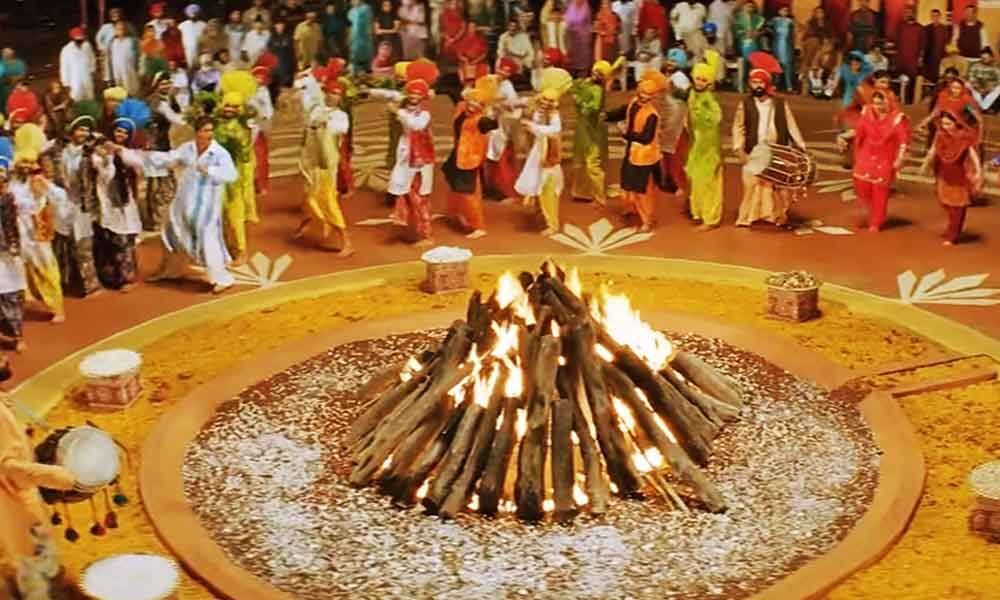
Makara Sankranti and Kanuma are among the most celebrated harvest festivals in Mylavaram, reflecting the town’s deep agricultural roots and vibrant rural traditions. These festivals, usually observed in mid-January, mark the beginning of the sun’s northward journey (Uttarayanam) and the season of new harvests. In Mylavaram and the surrounding villages, the celebration carries a special charm — it’s a time when families, farmers, and communities come together to thank nature, cattle, and the divine for a prosperous yield. During Makara Sankranti, homes are decorated with colorful muggulu (rangoli) made from rice flour, and front yards display freshly harvested grains, sugarcane, and turmeric plants as symbols of prosperity. Women prepare traditional dishes like pongali, ariselu, and garelu, while children enjoy flying vibrant kites that fill the sky with color and cheer. Farmers in Mylavaram perform rituals to express gratitude to the Sun God, praying for abundant crops and good rains in the coming year. The following day, known as Kanuma, is dedicated to cattle, which play a vital role in farming life. People bathe and decorate their cows and bulls with flowers, colorful paint, and bells, offering special prayers to honor their contribution to agriculture. In rural areas around Mylavaram, traditional games, bull races, and cultural programs add excitement to the festivities. Families visit relatives, share festive meals, and exchange sweets, reinforcing bonds of love and community. Makara Sankranti and Kanuma in Mylavaram beautifully capture the spirit of gratitude, joy, and cultural richness. The sight of decorated homes, the aroma of traditional food, and the laughter of people celebrating together make this festival season one of the most heartwarming and vibrant times of the year in the region.

Makara Sankranti / Kanuma (Harvest festivals) Read More »
diwali celebrations feature

Deepavali (Diwali)

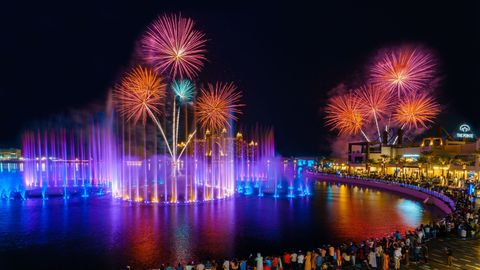
Deepavali, also known as Diwali, is one of the most joyous and widely celebrated festivals in Mylavaram. The festival, symbolizing the triumph of light over darkness and good over evil, brings a warm glow to every home and street in the town. As the festival approaches, the markets of Mylavaram come alive with bustling activity — shops are filled with colorful diyas (lamps), decorative lights, new clothes, sweets, and firecrackers. Families thoroughly clean and decorate their homes, preparing to welcome Goddess Lakshmi, the deity of wealth and prosperity. On the main day of Diwali, homes are illuminated with rows of oil lamps and electric lights, creating a magical sight across the town. Devotees perform special Lakshmi Puja in the evening, offering sweets, flowers, and prayers for happiness and prosperity. Children and youth celebrate by bursting firecrackers, while families visit friends and relatives to exchange festive greetings and homemade sweets like laddu, kaju katli, and murukku. Many local communities and educational institutions in Mylavaram also promote eco-friendly Diwali by encouraging the use of earthen lamps and discouraging excessive firecracker use to reduce pollution. The festive atmosphere extends into the night, with the sound of laughter, joy, and fireworks echoing through the town. Deepavali in Mylavaram is more than just a festival of lights—it is a celebration of togetherness, renewal, and positivity. The bright lamps, delicious food, and the spirit of sharing remind everyone that even the smallest light can drive away the deepest darkness, filling hearts and homes with hope and happiness.

Deepavali (Diwali) Read More »

nava

Navaratri / Dussehra

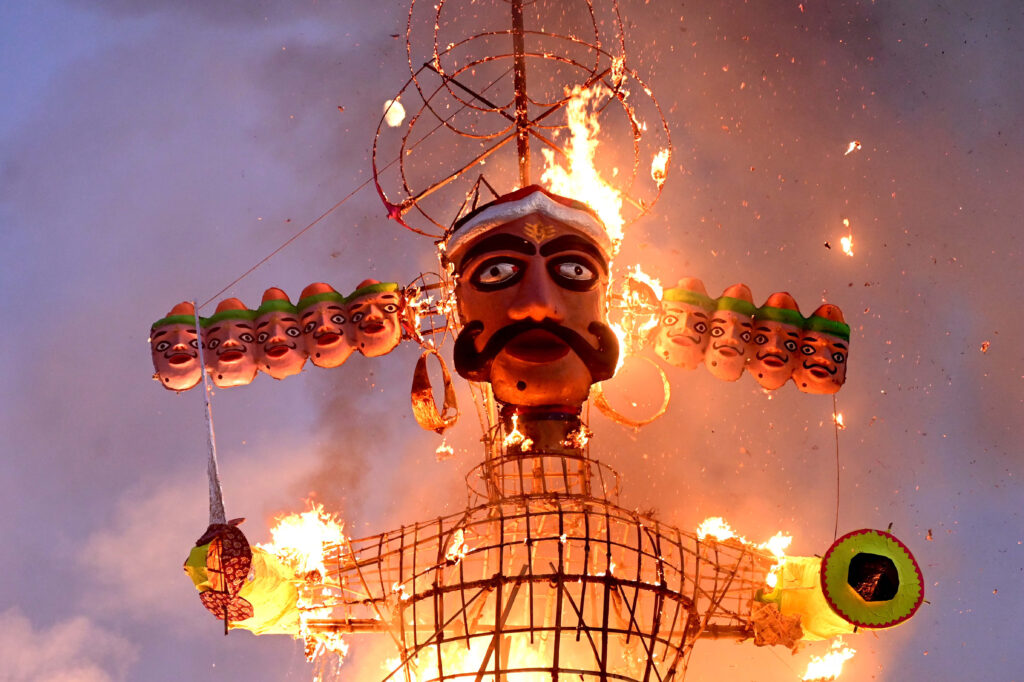
Navaratri and Dussehra are celebrated in Mylavaram with deep devotion, cultural pride, and vibrant community participation. The nine-day festival, dedicated to Goddess Durga, marks the triumph of good over evil and is one of the most awaited celebrations in the region. During Navaratri, devotees in Mylavaram worship different forms of the Goddess each day, offering flowers, fruits, and special prayers. Temples such as Sri Kanaka Durga Ammavari Temple and other local shrines are beautifully decorated with lights and colorful flowers, attracting large numbers of devotees throughout the festival period. Cultural programs, devotional singing, and traditional dance performances are organized by local youth groups and schools, adding a joyful and artistic touch to the celebrations. Many families observe fasting and perform “Bathukamma” and “kolu” (arranging dolls and idols in steps) at home, while women and children dress in traditional attire, creating a festive and spiritual atmosphere across the town. The final day of Navaratri, known as Vijayadashami or Dussehra, is celebrated with grandeur. Processions featuring idols of Durga Devi and other deities move through the streets, accompanied by drums, chants, and devotional songs. In some areas, effigies symbolizing the demon Mahishasura or Ravana are burnt to signify the victory of righteousness. The whole town comes together in harmony, sharing sweets, blessings, and joy. Navaratri and Dussehra in Mylavaram showcase not only religious devotion but also the cultural richness and unity of the people, making it one of the most colorful and spiritually uplifting times of the year.

Navaratri / Dussehra Read More »

ganesha

Vinayaka Chavithi (Ganesh Chaturthi)

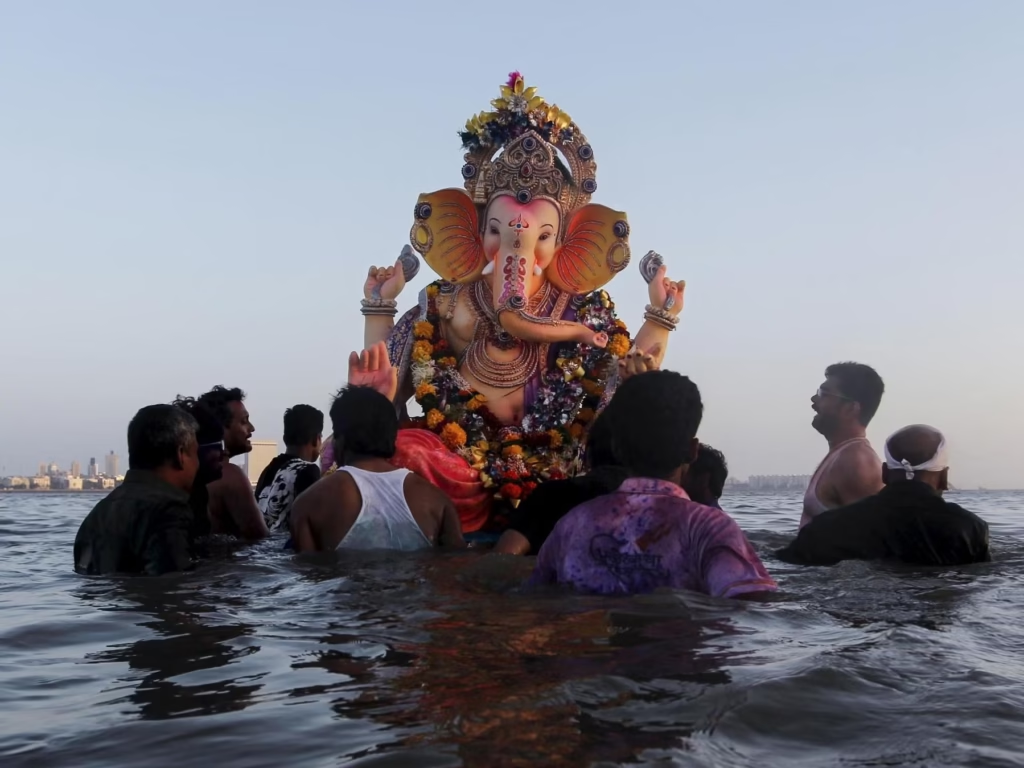
Vinayaka Chavithi, also known as Ganesh Chaturthi, is celebrated with great devotion and enthusiasm in Mylavaram every year. The festival usually falls in late August and marks the birth of Lord Ganesha, the remover of obstacles and symbol of wisdom. In the days leading up to the festival, the streets of Mylavaram come alive with the sound of devotional songs, the fragrance of flowers, and the sight of colorful clay idols of Lord Ganesha being sold in local markets. Many families bring home idols for worship, while community groups and youth associations install large Ganesha idols in beautifully decorated pandals across the town. Educational institutions like LBRCE (Lakireddy Bali Reddy College of Engineering) also promote eco-friendly celebrations by distributing clay idols and plants, encouraging the use of natural materials instead of plaster idols. During the festival, devotees perform daily pujas, offer sweets like undrallu and kudumulu, and participate in cultural programs and bhajans organized at various pandals. The atmosphere is vibrant, filled with devotion and togetherness. On the final day, the immersion procession, or “Ganesh Visarjan,” takes place with great pomp and joy. People gather to bid farewell to Lord Ganesha, singing and dancing as idols are taken to nearby water bodies for immersion. The event symbolizes the cycle of creation and dissolution, marking the end of the celebrations until the next year. Vinayaka Chavithi in Mylavaram beautifully reflects the town’s cultural unity, devotion, and growing awareness towards eco-friendly traditions.

Vinayaka Chavithi (Ganesh Chaturthi) Read More »

LIsting
News
Home
Jobs
contact